by Allyson McKinney Timm | Mar 13, 2024 | #Faith4ERA, Human Rights
In honor of International Women’s Day 2024, I was glad to take part in a gathering of thoughtful, dynamic, engaged women leaders at The Carter Center in Atlanta on Monday, where we discussed how to advance gender equality and why this goal remains an urgent human...

by Ellie Hutchison Cervantes | Feb 8, 2024 | Human Rights
Protecting democracy is an integral part of advancing human rights in the United States. It is only when each of our voices is heard and valued that we can become a society that supports, protects, and uplifts everyone. Unfortunately, we have seen a heightened attack...

by Allyson McKinney Timm | May 4, 2022 | #Faith4ERA, Human Rights
America’s divisive politics have sold our nation far short. We’ve been told for too long that we must choose a side—women’s dignity and bodily integrity or the value of nascent human life. In truth, Jesus sees and cares for both. So should we. The draft Supreme Court...

by Mary Katherine McCullough | Aug 10, 2021 | Human Rights
#Faith4ERA Advocacy Over the past two weeks, Justice Revival and #Faith4ERA campaign partners held a series of advocacy meetings in support of legislation (S.J. Res. 1) to eliminate the arbitrary timeline for ratification of the Equal Rights Amendment, in the first...
by Charlie Palladino | Jul 23, 2021 | Human Rights
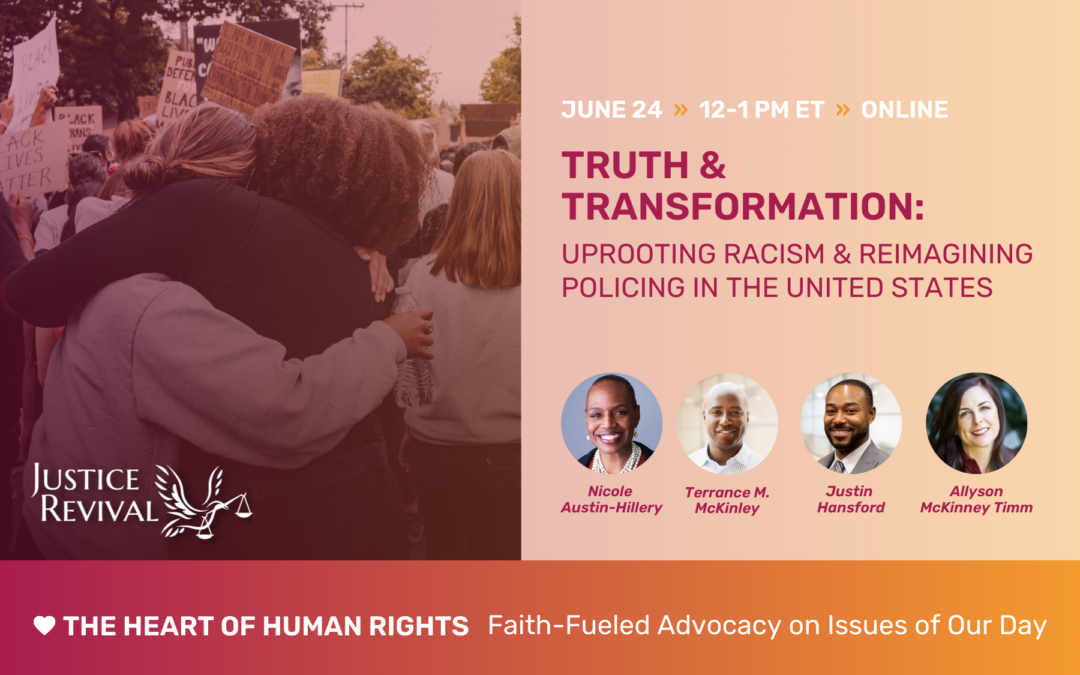
The one-year anniversary of George Floyd’s death at the hands of a Minneapolis police officer came and went without the passage of meaningful federal legislation. The harm done to George Floyd and his loved ones cannot be undone. Unfortunately, the best one could hope...
by Allyson McKinney Timm | Dec 10, 2020 | Human Rights
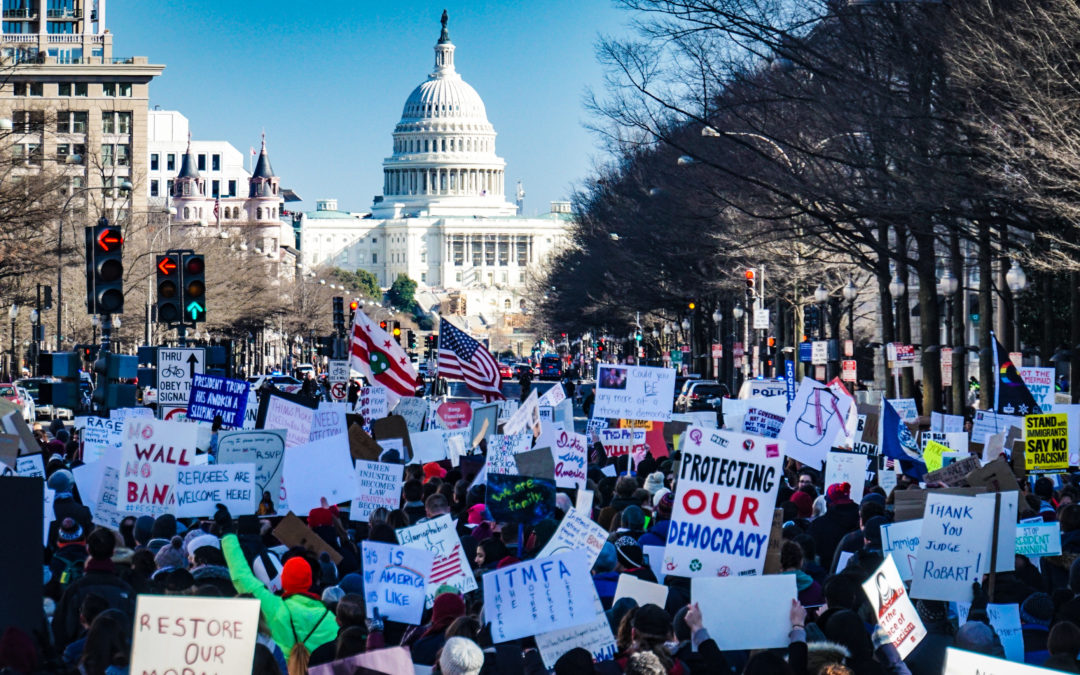
Let’s Be Honest, America: Human Rights Are Still On the Line For the last four years the United States has suffered a presidential administration truly extraordinary in its disregard for civil and human rights. As this wearying year draws to a close and Human Rights...